Skip to content
Call (888) 706-6181

Roofing · the USA

Roof Repair in the USA

Wynnewood Roof Repair performs targeted roof repairs on homes nationwide, focusing on slate, flat surfaces, flashing and gutters without unnecessary disturbance to historic fabric.

Call (888) 706-6181 See services

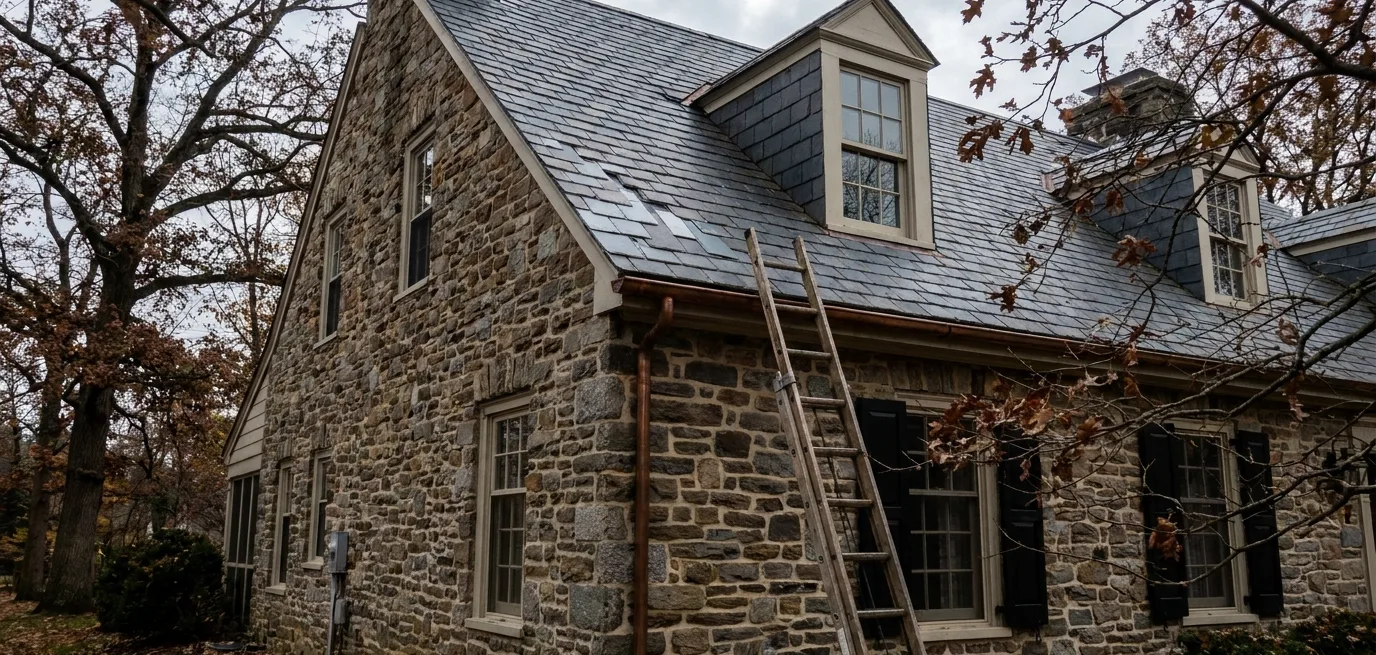
A stone colonial with a slate roof

Material Matching

Technicians select slate and copper that align with existing courses and seams so the repair blends with the original roof plane.

Leak Tracing

Water paths are followed from interior stains through decking to the exact penetration point before any membrane work begins.

Minimal Disruption

Work proceeds from the exterior so plaster ceilings and interior finishes remain untouched during the repair sequence.

Our Services

Wynnewood Roof Repair addresses specific failure points in older roofing assemblies. Each service focuses on preserving the original roof structure while correcting the defect at hand.

01

Roof Leak Repair

Our technicians trace active leaks through decking and underlayment on older homes. They isolate the entry point, replace damaged felt or membrane sections, and restore the surrounding slate or shingle courses without altering roof pitch.

02

Slate Roof Repair

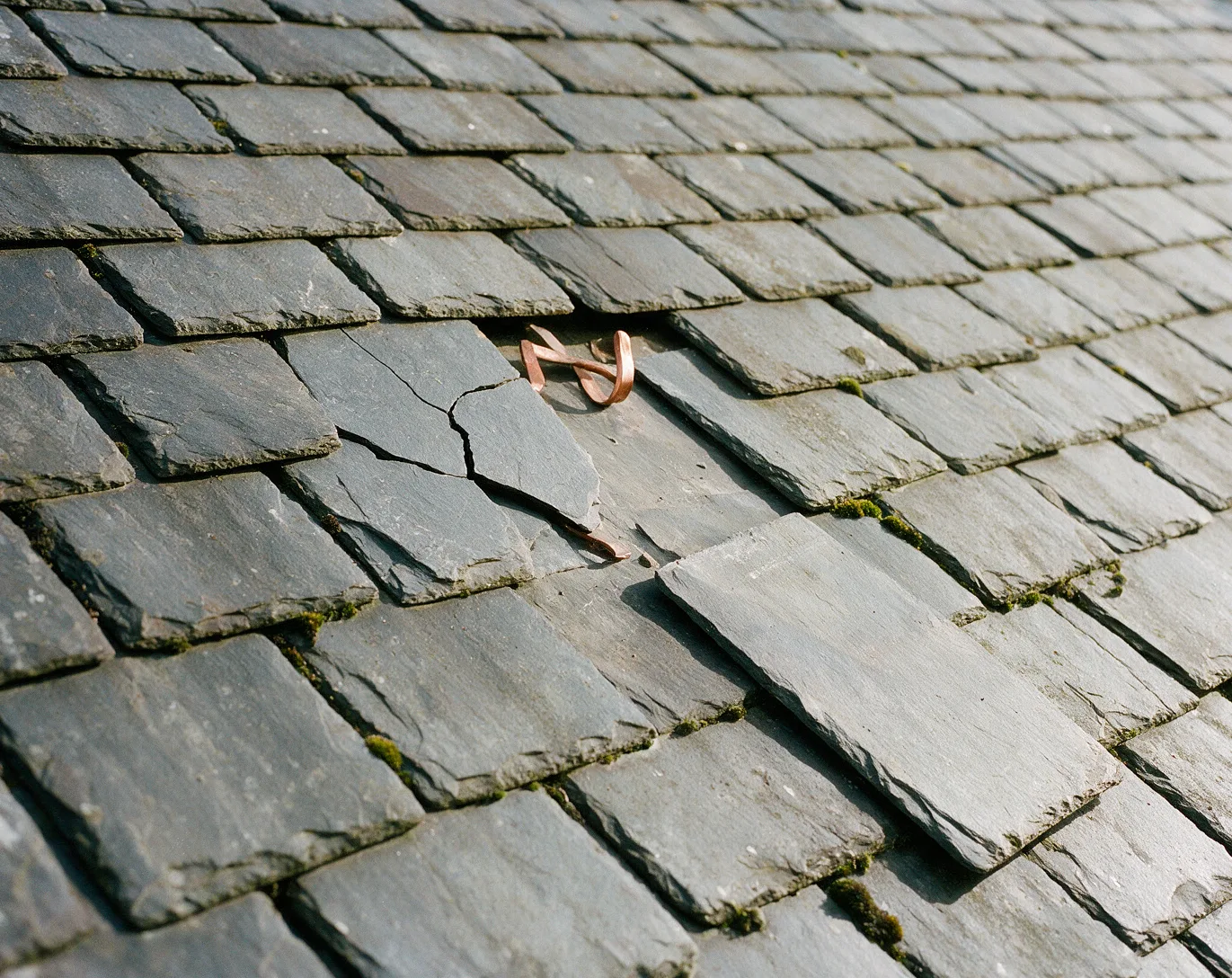
Broken or slipped slates are lifted and replaced with matching stock. Technicians check copper nails and clips for corrosion, reset adjacent units, and verify that the repair does not transfer load to neighboring slates.

03

Flat Roof Repair

Technicians cut out blistered or split areas in built-up or modified bitumen systems. New felt and flashing are installed to maintain drainage slopes toward existing scuppers and drains on older flat assemblies.

04

Chimney Flashing Repair

Failed step flashing and counter flashing around chimneys are removed and recreated with new copper or lead-coated copper. Joints are sealed to the masonry while preserving the original chimney profile and mortar lines.

05

Siding Repair

Damaged wood or fiber-cement siding boards are cut back to sound substrate. Replacement pieces are primed on all edges and fastened to maintain the original reveal and weather lap on twin and row homes.

06

Gutter Repair

Technicians realign sagging sections, replace corroded hangers, and reseal joints at corners. Work keeps the original gutter profile so water continues to shed away from the foundation and roof edge.

07

Skylight Repair

Technicians inspect curb flashing and counter flashing around older skylights. Damaged seals are renewed and the curb is re-covered so the repair matches the surrounding roof slope and material.

08

Roof Replacement

Full replacement begins only after existing layers are evaluated for deck condition. New underlayment and covering are installed to match the original roof geometry while allowing for proper ventilation at eaves and ridges.

Recognizing a Roof Repair Situation

Stains on plaster ceilings near chimneys or valleys often indicate flashing failure rather than widespread deck damage. In row homes, water can travel several feet along the slope before appearing indoors, so interior marks should be mapped against exterior joints and penetrations. Slate roofs may show individual cracked units or raised edges where nails have pulled through the slate.

Flat areas develop blisters or ridging where moisture has entered the felt layers. Copper valleys that have thinned at the seams allow water to wick under adjacent roofing. These signs appear gradually on older homes and warrant inspection before interior finishes are affected further.

What to Do in the First Minutes

Move furniture and rugs away from stained ceilings and place buckets or tarps to catch drips. Avoid climbing onto the roof or attempting temporary patches from ladders, as these actions can widen existing damage or create new entry points around slate and flashing.

Note the location of interior stains relative to chimneys, skylights or valleys so the information can be shared when help arrives. Do not run fans or dehumidifiers directly against wet plaster until the source is addressed, as this can spread moisture into adjacent wall cavities.

Cracked slates on a roof

Our Approach

Wynnewood Roof Repair follows a sequence that begins with diagnosis and ends with verification that the original roof assembly continues to perform as intended.

  1. 1

    Initial Assessment

    Technicians examine both the roof surface and attic conditions to map water entry points, checking slate condition, flashing integrity and deck deflection without removing material until the full path is understood.

  2. 2

    Targeted Opening

    Only the affected courses or membrane sections are lifted so surrounding slate and copper remain undisturbed. This limits the scope of work while exposing the precise defect in underlayment or decking.

  3. 3

    Material Integration

    Replacement pieces are cut and fastened to match the existing coursing and seam layout. Copper flashing is formed to the original profile so water continues to shed away from the repaired area.

  4. 4

    Final Verification

    After completion the roof is inspected from the ground and attic to confirm that no new penetrations were created and that water now flows correctly to gutters and drains.

What Happens on Site

Technicians begin with a ground-level and attic review to locate active moisture paths. They then access the roof to examine specific courses of slate, seams in flat roofing, and the condition of copper or lead flashing around penetrations. Each area is documented before any material is removed.

Repairs are performed from the top down so new underlayment and covering overlap existing sound sections. Debris is collected at each stage to prevent clogging of gutters and downspouts. Work concludes with a final walk-through to confirm that interior stains are no longer active.

How Repair-vs-Replace Decisions Are Made

Technicians evaluate the remaining life of surrounding materials rather than the single failed area. If adjacent slate remains sound and flashing can be renewed without disturbing large sections, targeted repair is performed. When multiple layers have separated or the deck shows widespread rot, a more extensive approach is required to restore the roof plane.

The decision also considers roof geometry. Valleys and hips that have been altered by previous repairs may need selective replacement to restore proper water shedding. Older flat roofs are assessed for slope retention before any new membrane is applied over the existing assembly.

Factors That Influence Cost

Cost depends on the number of distinct failure points, the type of material that must be matched, and the extent of deck repair required beneath the surface. Slate and copper work require additional time to source compatible stock and form custom pieces around chimneys or valleys.

Access conditions on older row and twin homes also affect labor, particularly when roofs have multiple hips or limited staging areas. Flat roof repairs are priced according to the square footage of membrane that must be replaced and whether drainage modifications are needed to restore slope.

Older Homes and Rental Properties

Original slate and copper details on row and twin homes require matching stock and fastening methods so the repair does not accelerate wear on neighboring units. Technicians avoid modern sealants that can trap moisture against historic masonry and instead use traditional stepped flashing that allows the roof to move with seasonal temperature changes.

In rental properties the focus remains on correcting the leak source while keeping interior work to a minimum. Exterior repairs allow tenants to remain in place and limit disturbance to plaster ceilings and lath that may date to the original construction.

Roof Repair questions

How do you locate the source of a leak?

Technicians trace stains from the interior ceiling upward through the deck and underlayment to the exact roof penetration. They examine flashing seams, slate edges and gutter joints rather than assuming the stain sits directly below the entry point.

Can you repair only part of a slate roof?

Yes. Individual cracked or slipped slates are replaced with matching material and copper nails or clips. The surrounding courses are left intact so the repair does not alter the load distribution across the roof plane.

What happens to existing flashing during a repair?

Failed step flashing and counter flashing are removed and recreated in copper to match the original profile. Joints are folded and sealed against the masonry without disturbing the chimney structure or adjacent roofing.

Do you work on flat roofs with multiple layers?

Technicians cut out only the blistered or split sections, install new felt to restore the slope, and tie the repair into sound surrounding membrane so water continues to reach existing drains and scuppers.

How are older homes treated differently?

Original materials and fastening methods are preserved. Slate is matched by thickness and texture, copper is formed by hand, and no modern sealants are applied directly to historic masonry or wood details.

What should a homeowner avoid before the visit?

Do not apply caulk or tape from the roof side, as these materials can mask the true entry point and complicate the diagnosis. Keep interior water collection in place until the roof is examined.

Schedule Roof Repair

Contact Wynnewood Roof Repair to arrange an assessment of your roof conditions across the USA.

Call (888) 706-6181